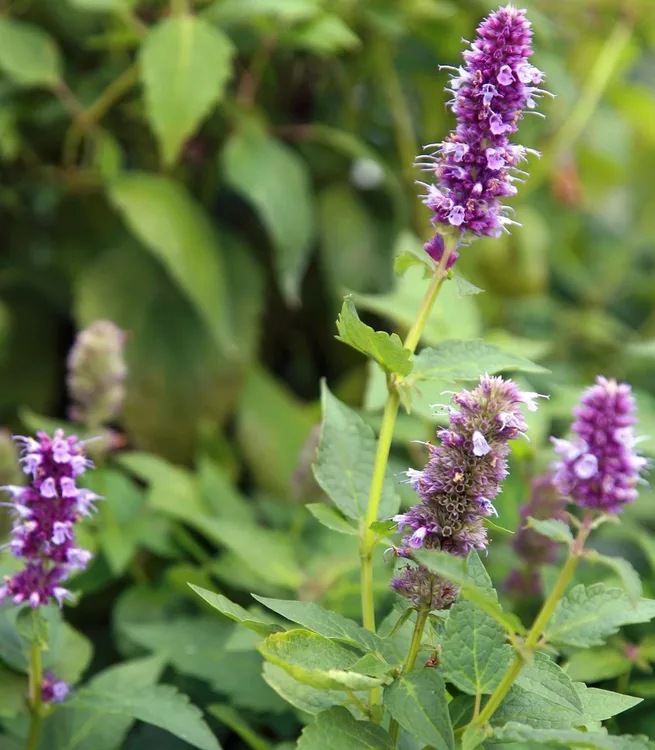
Often flowers the first summer from transplants; allow 3–4 months from seed
Cold-weather notePlant during mild weather and protect container roots from severe cold.
Start withA nursery plant or rooted division; seed where suitable
Life cycleShort-lived herbaceous perennial
DifficultyEasy to moderate
Your seasonal plan
When to grow anise hyssop in Zone 6.
The flower row shows when established plants may bloom. Leave some flowers for insects and adjust planting to your local frost dates. These are useful planning windows, not exact weather guarantees.
TaskJanFebMarAprMayJunJulAugSepOctNovDec
Plant outdoors
Trim / remove faded flowers
Flowers / bloom season
Typical planting windowApril–May
Typical bloom windowJuly–September
Growing essentials
What anise hyssop need to thrive.
Use the practical details below with your Zone 6 timeline. Current weather and the variety you choose can shift timing.
LightFull sun to part sun
SoilWell-drained average soil
Planting depthSurface sow or cover very lightly; plant transplants at the nursery soil line.
Spacing18–24 inches apart
WaterWater new plants regularly; allow the surface to dry between soakings once rooted.
Best conditionsMatch planting to local frost dates; mature hardiness and summer heat tolerance vary.
How to plant
Plant it well.
Plant in spring after severe cold passes. Use a sunny, well-drained bed edge; seed-starting instructions may recommend a cold treatment.
Indoors or containers
Suitable for starting under lights; mature plants flower best outdoors.
Keep it growing
Care through the season.
Leave flower spikes for insects. Remove some spent heads if unwanted seedlings become a problem.
What to avoid
Waterlogged winter soil, which can rot the base of the plant.
Ready to harvest
Know the cue, not just the date.
Take a few fresh leaves once plants are established; leave most flowering stems for bees. Use only correctly identified plants grown for edible use.
How we know
Sources and growing guidance.
The growing essentials and seasonal planning windows are original summaries informed by university Extension references; always adjust for current local weather and variety instructions.