A light harvest in year 2; full harvests usually begin in year 3
Cold-weather noteEstablished plants survive cold winters, but new spears can be damaged by a late spring freeze.
Start withOne-year-old asparagus crowns (bundles of roots)
Life cycleLong-lived perennial
DifficultyModerate
Your seasonal plan
When to grow asparagus in Zone 6.
Planting usually begins later in spring than it does in warmer zones. These are useful planning windows, not exact weather guarantees.
TaskJanFebMarAprMayJunJulAugSepOctNovDec
Plant outdoors
Harvest
Typical planting windowApril–May
Typical harvest windowApril–June
Growing essentials
What asparagus need to thrive.
Use the practical details below with your Zone 6 timeline. Current weather and the variety you choose can shift timing.
LightFull sun unless the crop is naturally shade-tolerant
SoilDeep, fertile, well-drained soil prepared before planting
Planting depthRoot crowns 6–8 in deep
Spacing12–18 in
WaterKeep evenly moist during establishment; established plants still need water during active growth.
Best conditionsCold winters and mild spring weather support reliable yearly harvests.
How to plant
Plant it well.
Plant one-year-old asparagus crowns in a permanent bed. Set the roots in a trench, cover them with 2–3 inches of soil, then add more soil gradually as shoots grow.
Indoors or containers
Not practical indoors. Use a very large outdoor container only if an in-ground bed is not available.
Keep it growing
Care through the season.
Control perennial weeds before planting.
Mulch after growth begins and spread compost around the plant annually.
Allow the plant to build reserves before taking a full harvest.
What to avoid
Harvesting too heavily before the plant has built a strong root system.
Ready to harvest
Know the cue, not just the date.
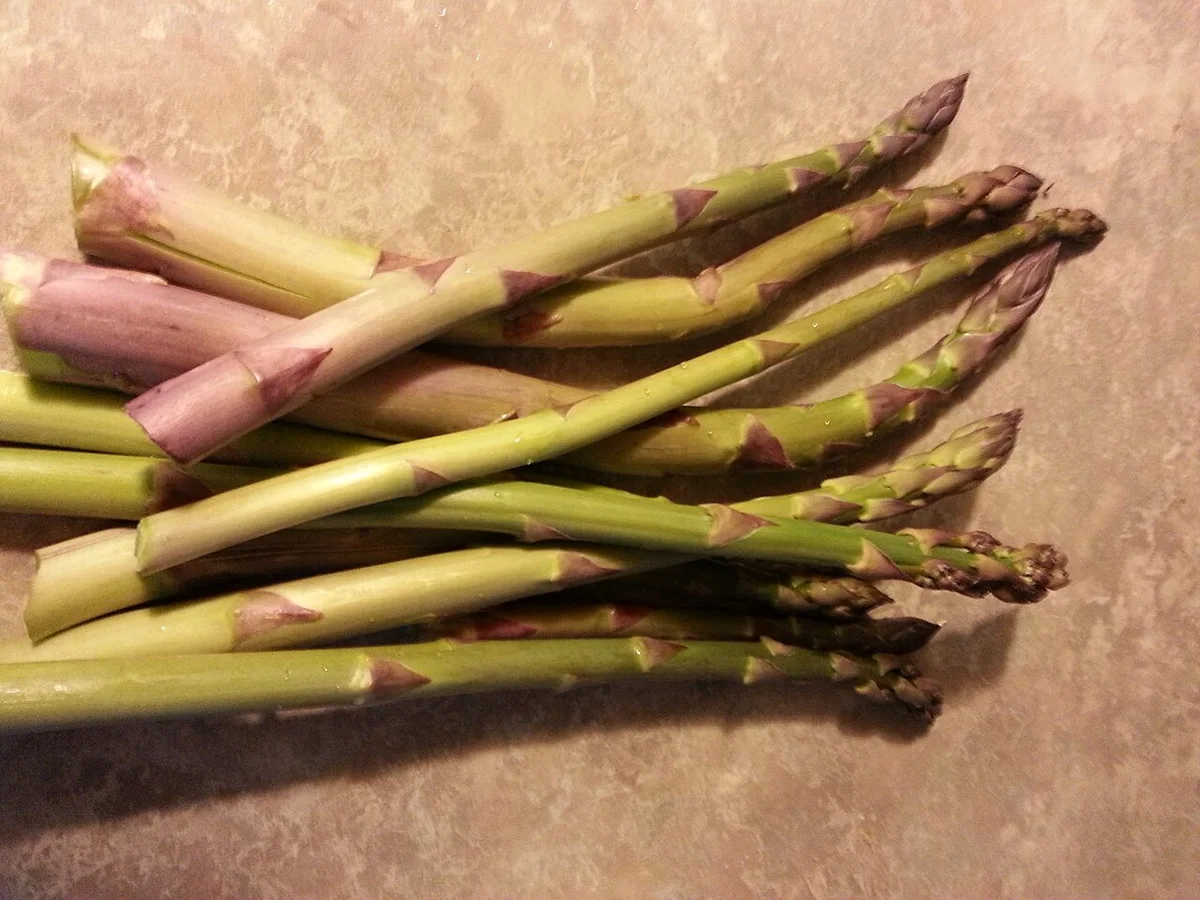
Cut 6–8 inch spears while tips are tight. Stop after the harvest window so the leafy tops can rebuild the roots for next year.
Harvest during the cool part of the day when practical. Use clean tools, then cool, store or use the harvest promptly.
Detailed plant guide
Choose the permanent bed carefully; asparagus dislikes moving.
Best timing: Plant crowns in spring when soil can be worked.
1
Dig a 6–12 inch trench, shallower in clay and deeper in sand.
2
Place crowns about 12 inches apart and cover with 2–3 inches of soil.
3
Add soil to the trench gradually as shoots grow and keep soil evenly moist.
How we know
Reviewed, traceable guidance.
This guide summarizes guidance from university Extension programs and combines it with practical seasonal planning.