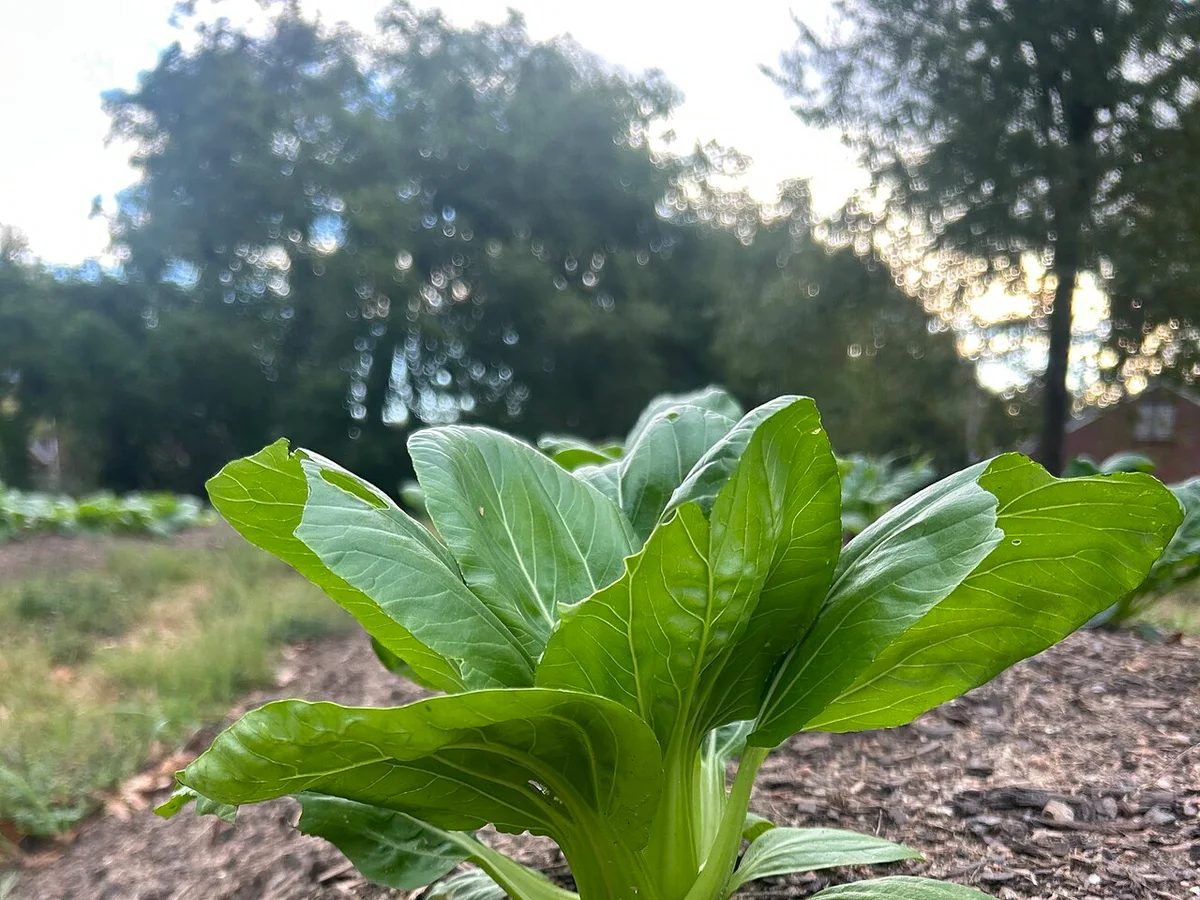
Set your expectations
How long until you can harvest?
About 30–50 days from seedCold-weather noteEstablished plants tolerate light frost; heat is usually the bigger problem.
Start withSeeds or young transplants
Life cycleUsually grown as an annual
DifficultyModerate
Your seasonal plan
When to grow baby bok choy in Zone 6.
Planting usually begins later in spring than it does in warmer zones. These are useful planning windows, not exact weather guarantees.
TaskJanFebMarAprMayJunJulAugSepOctNovDec
Start indoors
Plant outdoors
Harvest
Typical planting windowMarch–May and August–September
Typical harvest windowMay–August and October–December
Growing essentials
What baby bok choy need to thrive.
Use the practical details below with your Zone 6 timeline. Current weather and the variety you choose can shift timing.
LightFull sun; light afternoon shade in warm climates SoilFertile, moisture-retentive, well-drained soil, pH about 6.0–7.5 Planting depth¼ in seed; set the seedling at the same depth it grew in its container WaterProvide 1–1½ inches weekly and avoid swings between dry and saturated soil. Best conditionsCool weather with steady growth; protect young plants from hard freezes and mature crops from heat. How to plant
Plant it well.
Start transplants or Plant seeds directly in the garden; set sturdy seedlings at the same depth they grew in their cells.
Indoors or containersStart seedlings under lights, then gradually introduce seedlings to outdoor conditions. Full crops need outdoor light and space.
Keep it growing
Care through the season.
- Mulch to keep roots cool and moisture even.
- Inspect leaf undersides for caterpillars and use insect netting before pests arrive.
- Feed lightly after establishment if growth is pale or slow.
What to avoidPlanting too late into warm weather can cause small heads or early flowering.
Ready to harvest
Know the cue, not just the date.
- Cut the whole compact head at soil level before flowering too early, or harvest outer leaves.
- Harvest during the cool part of the day when practical. Use clean tools, then cool, store or use the harvest promptly.
Detailed plant guide
Steady growth produces the sweetest, crispest leaves.
Best timing: Sow for cool weather, avoiding long cold spells followed by heat.
- 1
Sow shallowly in fertile, moisture-retentive soil.
- 2
Thin dwarf types to about 6 inches and full-size types to 12 inches.
- 3
Use light row cover during establishment to exclude insects.