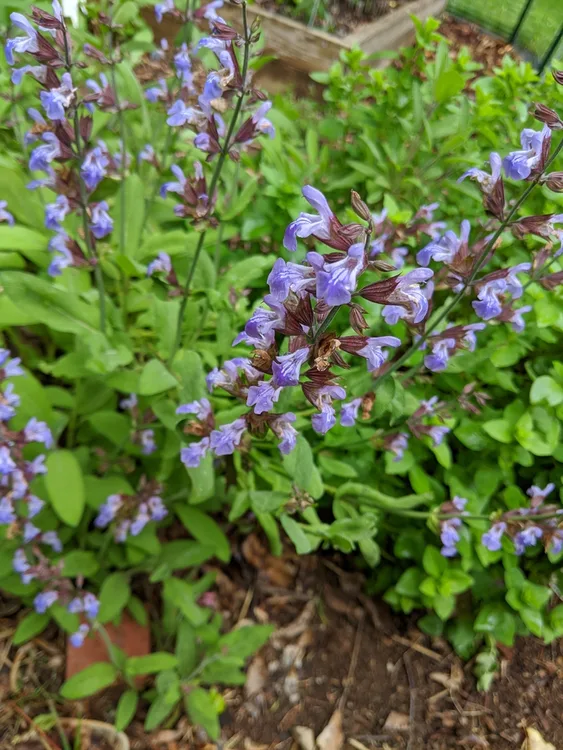
Light harvest about 8–12 weeks after transplanting; harvest sparingly in the first year
Cold-weather notePlant during mild weather and protect container roots from severe cold.
Start withA nursery plant or rooted division; seed where suitable
Life cycleShort-lived woody perennial
DifficultyEasy to moderate
Your seasonal plan
When to grow culinary sage in Zone 6.
Adjust these windows to your local frost dates and harvest only while the plant is growing actively. These are useful planning windows, not exact weather guarantees.
TaskJanFebMarAprMayJunJulAugSepOctNovDec
Plant outdoors
Trim / pinch
Harvest leaves
Typical planting windowApril–May
Typical harvest windowJune–September
Growing essentials
What culinary sage need to thrive.
Use the practical details below with your Zone 6 timeline. Current weather and the variety you choose can shift timing.
LightFull sun
SoilAverage to lean, very well-drained soil
Planting depthPlant at the nursery soil line; sow seeds about ⅛–¼ inch deep.
Spacing18–24 inches apart
WaterWater during establishment; established plants prefer the surface to dry between waterings.
Best conditionsMatch planting to local frost dates; mature hardiness and summer heat tolerance vary.
How to plant
Plant it well.
Set a culinary sage plant in a sunny, sharply drained spot in spring. Keep the base level with the surrounding soil.
Indoors or containers
Use a bright window or grow light and a pot with drainage; outdoor light usually produces stronger growth.
Keep it growing
Care through the season.
Trim green growth in spring and lightly after flowering; keep some blooms for bees.
What to avoid
Cutting into bare woody stems, which may not regrow, or planting in wet winter soil.
Ready to harvest
Know the cue, not just the date.
Pick healthy leaves as needed once plants are growing strongly. Dry leaves in an airy shaded place.
How we know
Sources and growing guidance.
The growing essentials and seasonal planning windows are original summaries informed by university Extension references; always adjust for current local weather and variety instructions.