Cold-weather noteThe tree may survive winter while late frost still damages flowers and reduces fruit.
Start withA grafted nursery tree
Life cycleLong-lived fruit or nut tree
DifficultyAdvanced
Your seasonal plan
When to grow persimmons in Zone 6.
Planting usually begins later in spring than it does in warmer zones. These are useful planning windows, not exact weather guarantees.
TaskJanFebMarAprMayJunJulAugSepOctNovDec
Plant outdoors
Prune
Harvest
Typical planting windowMarch–April
Typical harvest windowSeptember–November
Growing essentials
What persimmons need to thrive.
Use the practical details below with your Zone 6 timeline. Current weather and the variety you choose can shift timing.
LightFull sun with good air movement
SoilDeep, well-drained soil; avoid low frost pockets and waterlogged sites
Planting depthBase of the trunk, where it widens into the roots, level with the soil
Spacing12–20 ft
WaterDeeply water the root zone during establishment; avoid frequent shallow irrigation.
Best conditionsChoose a variety with suitable winter hardiness and required hours of winter cold.
How to plant
Plant it well.
Plant bare-root trees while they are resting in late winter or early spring, or plant container trees during mild weather. Keep the base of the trunk visible above the soil and the visible bump where the tree was grafted above soil.
Indoors or containers
Not an indoor crop. Dwarf trees may grow in large outdoor containers with winter protection.
Keep it growing
Care through the season.
Train young trees to a strong open structure.
Mulch broadly but keep mulch away from the trunk.
Thin crowded fruit when recommended and remove fallen fruit.
What to avoid
Planting too deeply or choosing a variety with the wrong required hours of winter cold.
Ready to harvest
Know the cue, not just the date.
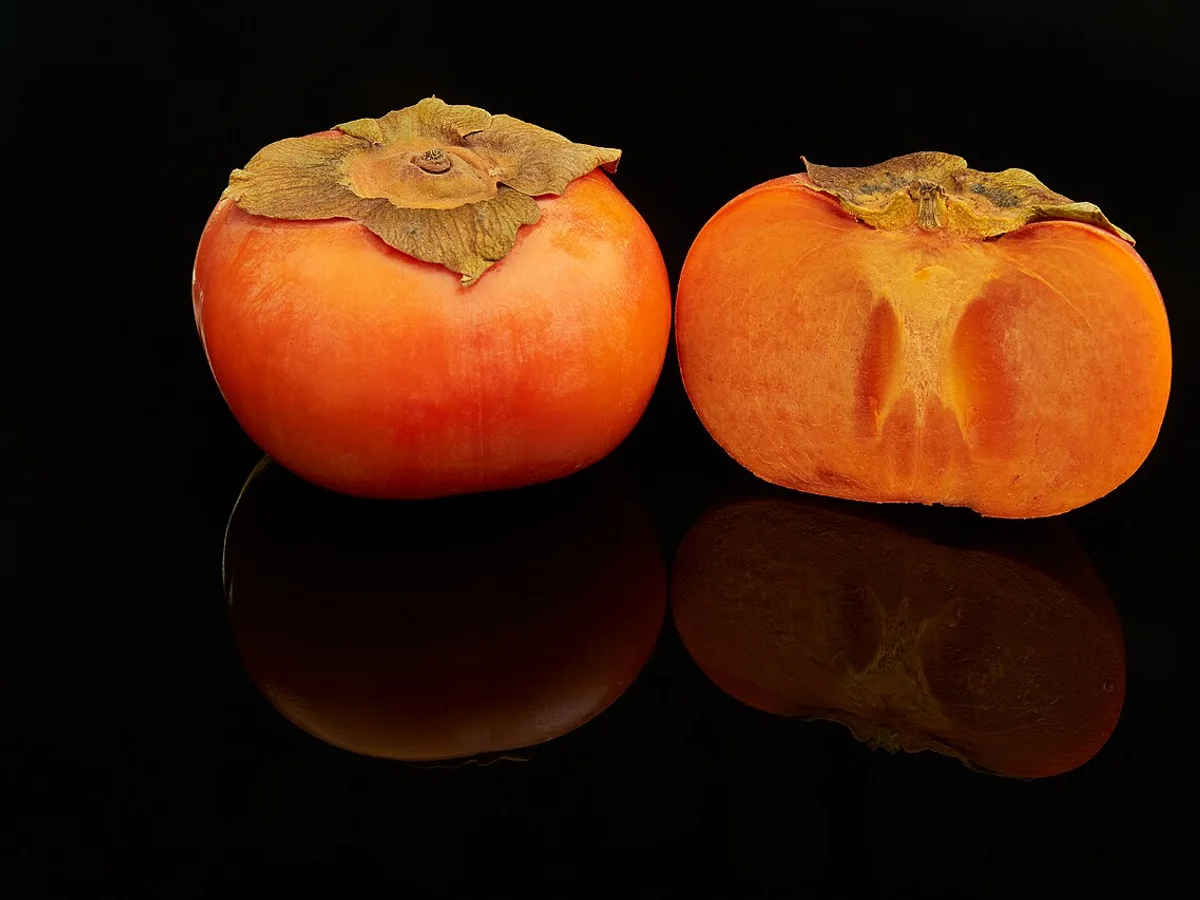
Pick non-astringent fruit fully colored and firm; let astringent types become jelly-soft.
Harvest during the cool part of the day when practical. Use clean tools, then cool, store or use the harvest promptly.
Detailed plant guide
Match species and variety to winter cold and available space.
Best timing: Plant dormant trees in late winter or early spring.
1
Choose full sun and well-drained soil.
2
Keep the base of the trunk where it widens into the roots visible and water deeply after planting.
3
Confirm whether the variety needs a pollination partner.
How we know
Reviewed, traceable guidance.
This guide summarizes guidance from university Extension programs and combines it with practical seasonal planning.